Beach Holiday Kit for Families: What to Pack
A day at the beach with children is easier with a little planning and the right kit. Shade, sun-protective clothing and suitable swim aids help everyone stay comfortable and safe, whether you're on a Mediterranean beach or a British seaside. Here's what to look for, and the mistakes to avoid.
Shade: beach tents and sun shelters
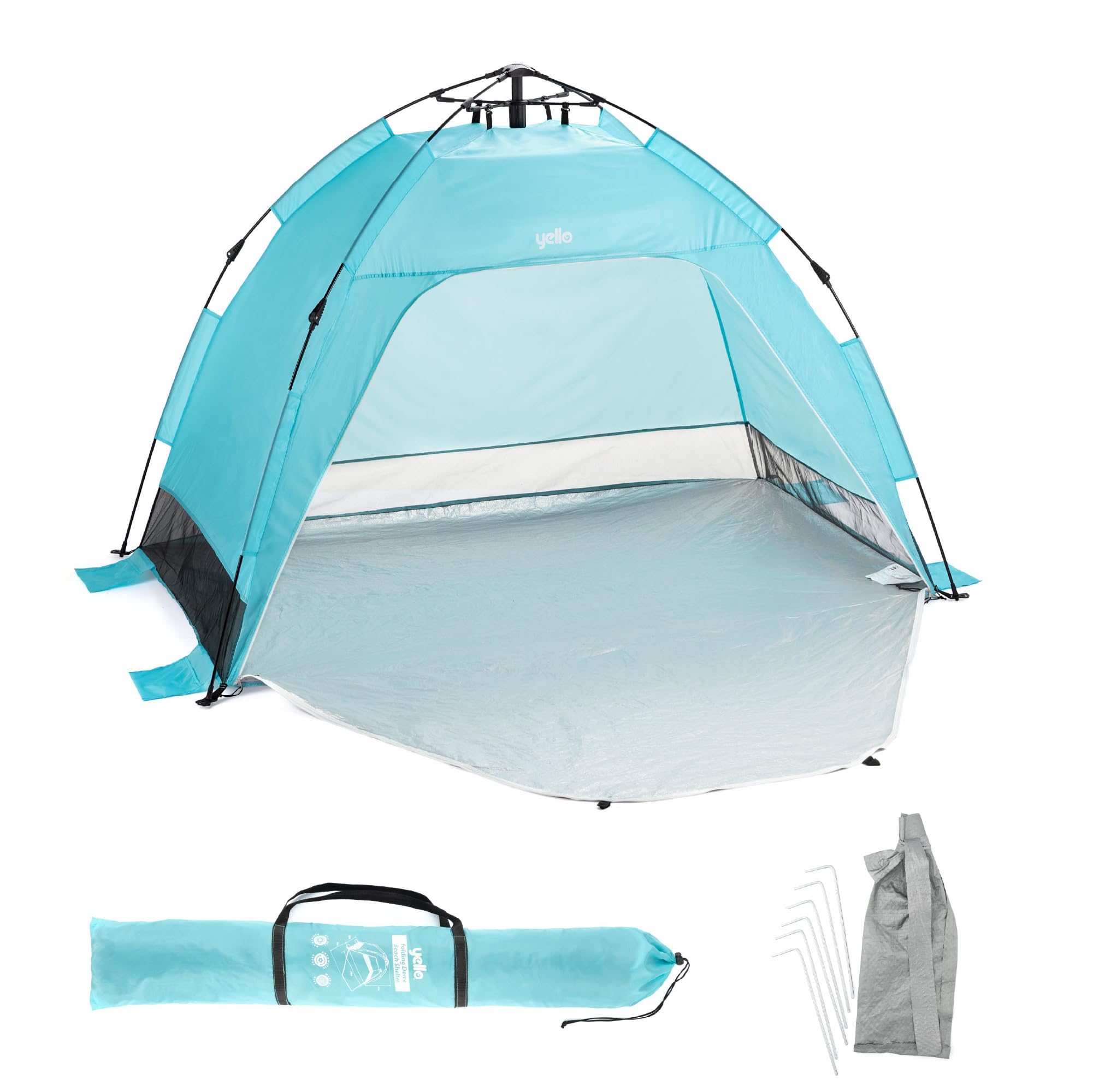
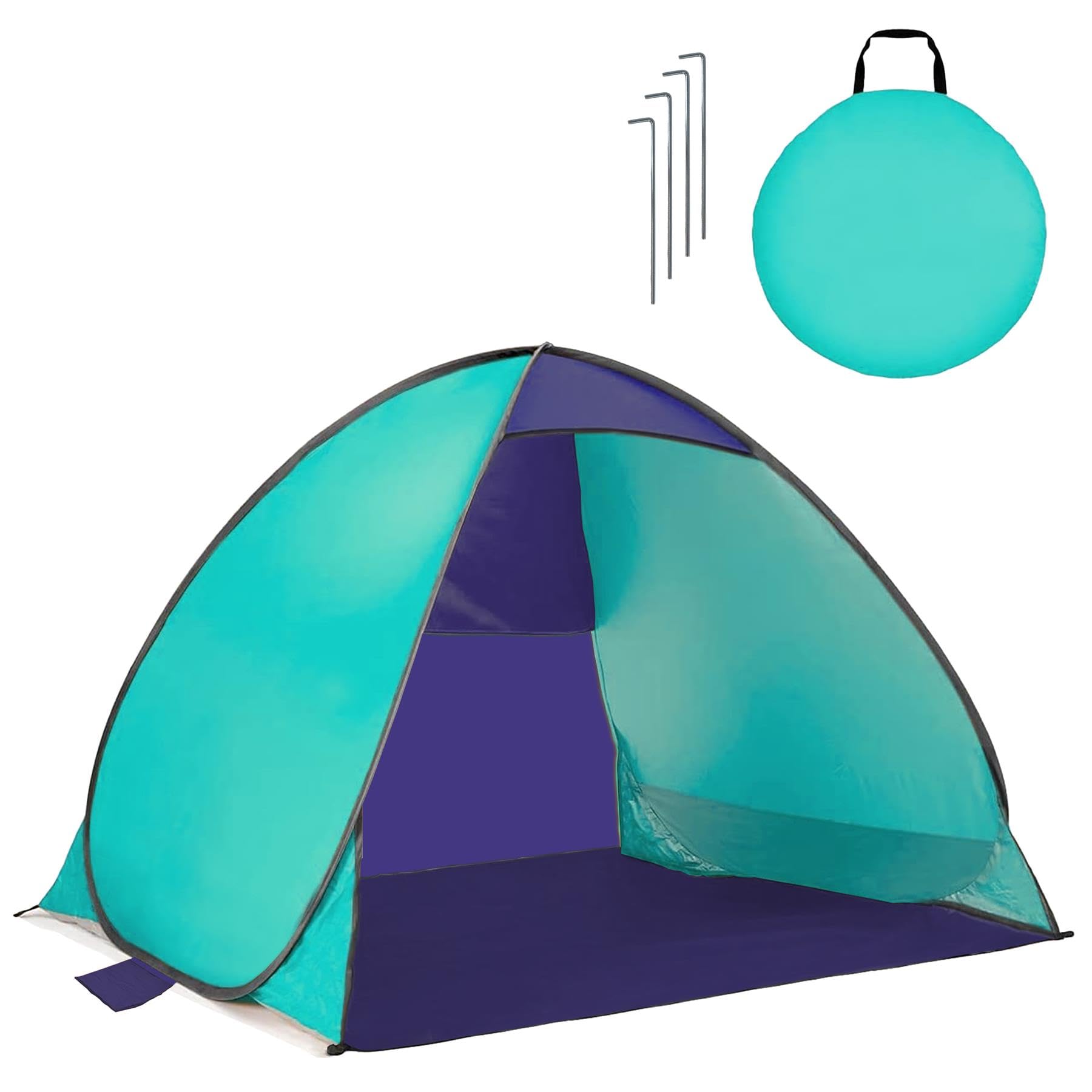
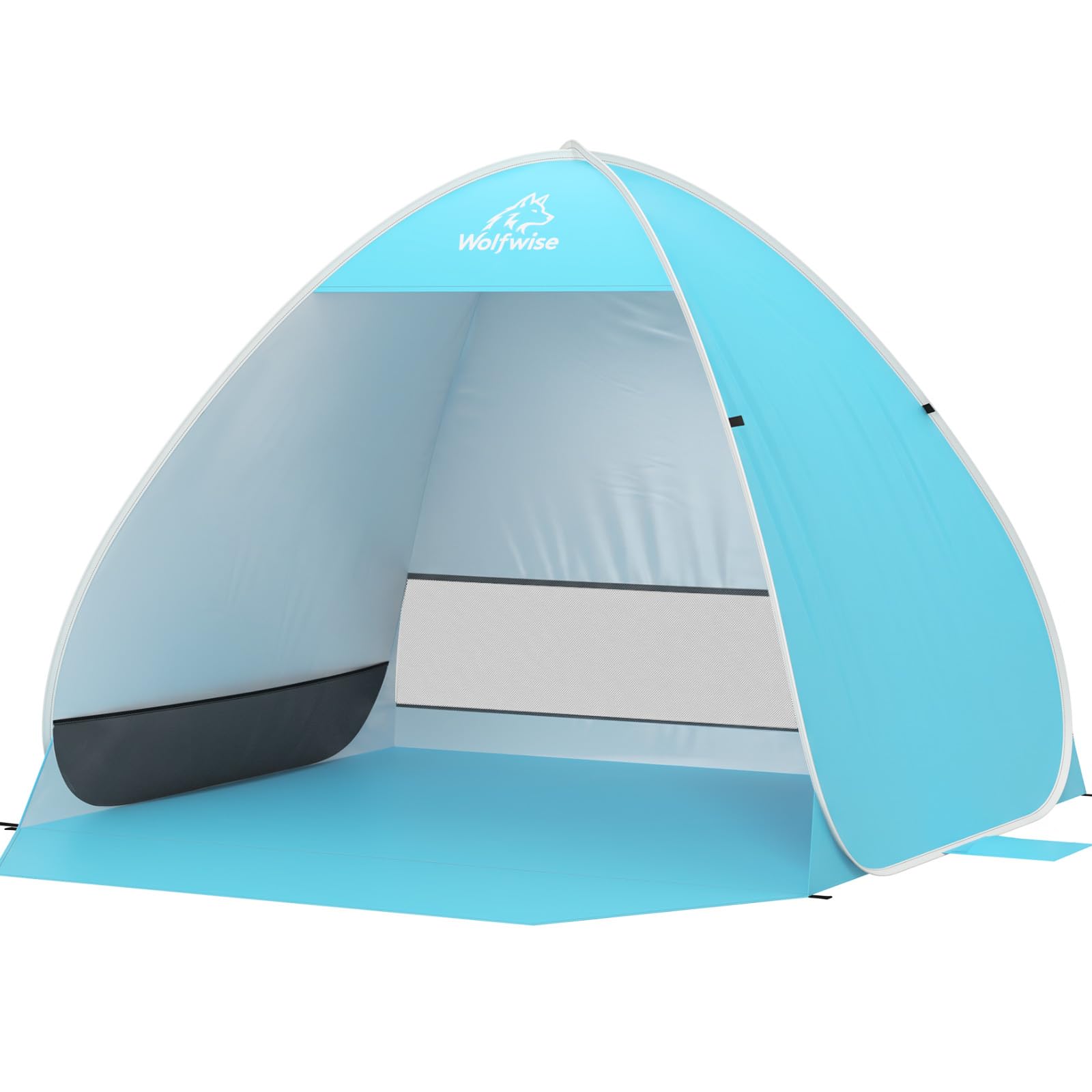
Babies and young children need shade, especially in the middle of the day. Beach umbrellas aren't always available or allowed, and they blow over easily, so many families take a pop-up beach tent or sun shelter.
- UPF rating. Look for a fabric with a stated UPF (Ultraviolet Protection Factor) rating, ideally UPF 50+, which blocks the large majority of UV.
- Anchoring. Sand pockets that you fill to weigh the shelter down hold it far better than pegs in soft sand. Wind on beaches can be strong, so check the shelter is stable before children go inside.
- Ventilation. Mesh windows or open sides let air flow; a fully enclosed tent can get very hot.
- Packed size and weight. If you're flying, check whether it fits in your suitcase. A shelter that folds flat and weighs little is easier to carry from the car park.
- Easy fold. Pop-up designs go up in seconds but can be tricky to fold back down. Practise before your trip.
- Size. Enough room for children to nap or play in the shade, plus space for bags, keeps everything out of the sun.
Beach shelter on Amazon
Pop-up shelters give babies shade and a nap spot on the sand.
Sun-protective swimwear
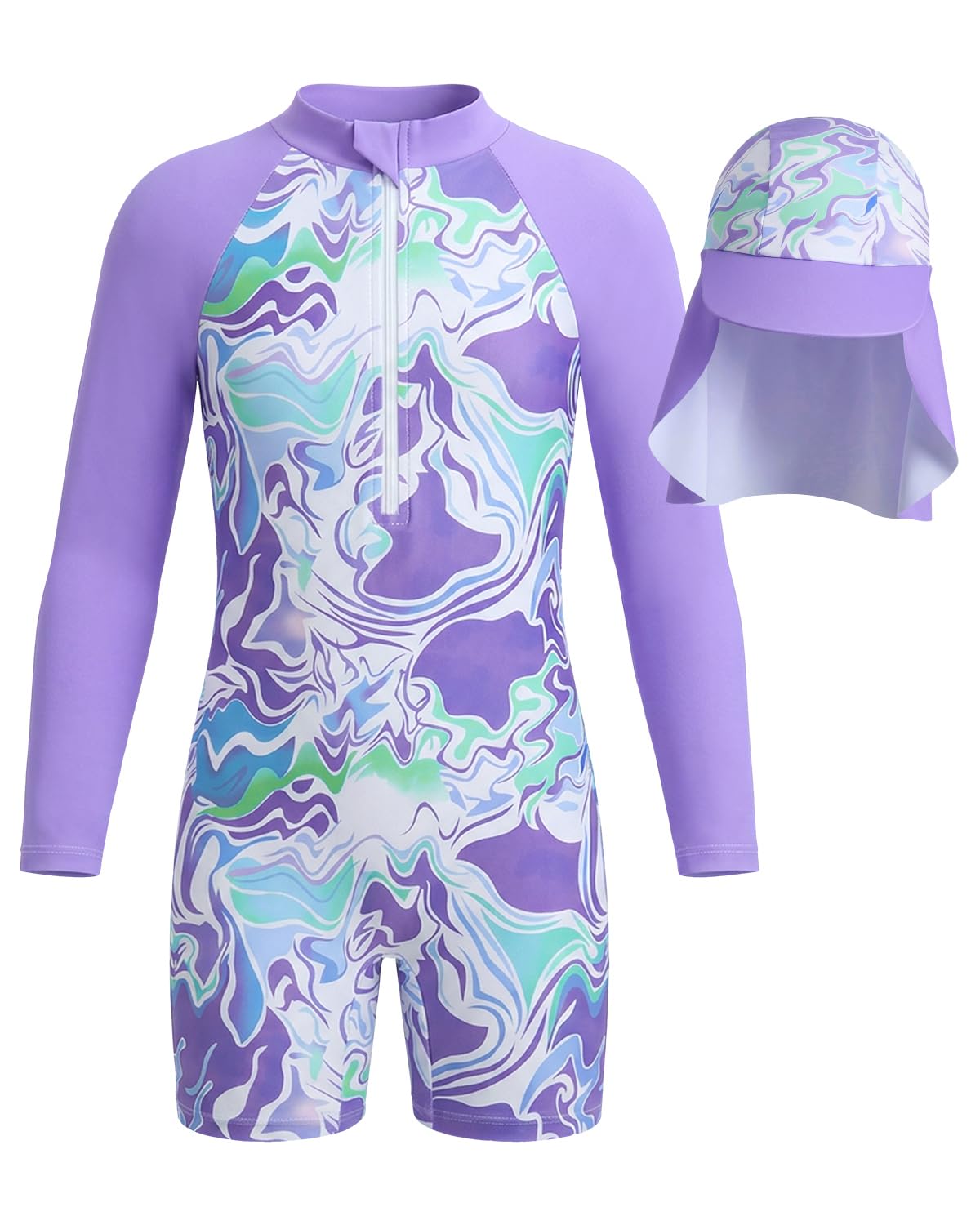
UV swimsuits, sun suits and rash vests cover more skin than standard swimwear, which means less sun cream to apply and less to miss. For children who won't sit still for sun cream, they're a real help.
- Check the UPF rating. A rating of UPF 50+ is common for children's sun-protective swimwear.
- Coverage. All-in-one suits with long sleeves and legs give the most protection; two-piece rash vests and shorts are easier for toilet trips and nappy changes.
- Fit. A snug fit stays in place in the water. Too loose and it rides up or drags.
- Zips. A front or back zip makes it much easier to get a wet suit off a tired child.
- Hats. A wide-brimmed or legionnaire-style hat with a neck flap, ideally with a chin strap, protects the face, ears and neck.
Clothing doesn't replace sun cream on exposed skin. The NHS recommends a sunscreen with at least SPF 30 and at least 4-star UVA protection, reapplied regularly and after swimming, and advises keeping babies under six months out of direct sunlight. See the NHS sun safety guidance for the full advice.
UV sun-protection swimwear on Amazon
UPF 50+ suits cut down on reapplying sun cream at the pool.


Swim aids and floats
Swim aids can build a child's confidence in the water, but it's important to understand what they are and aren't.
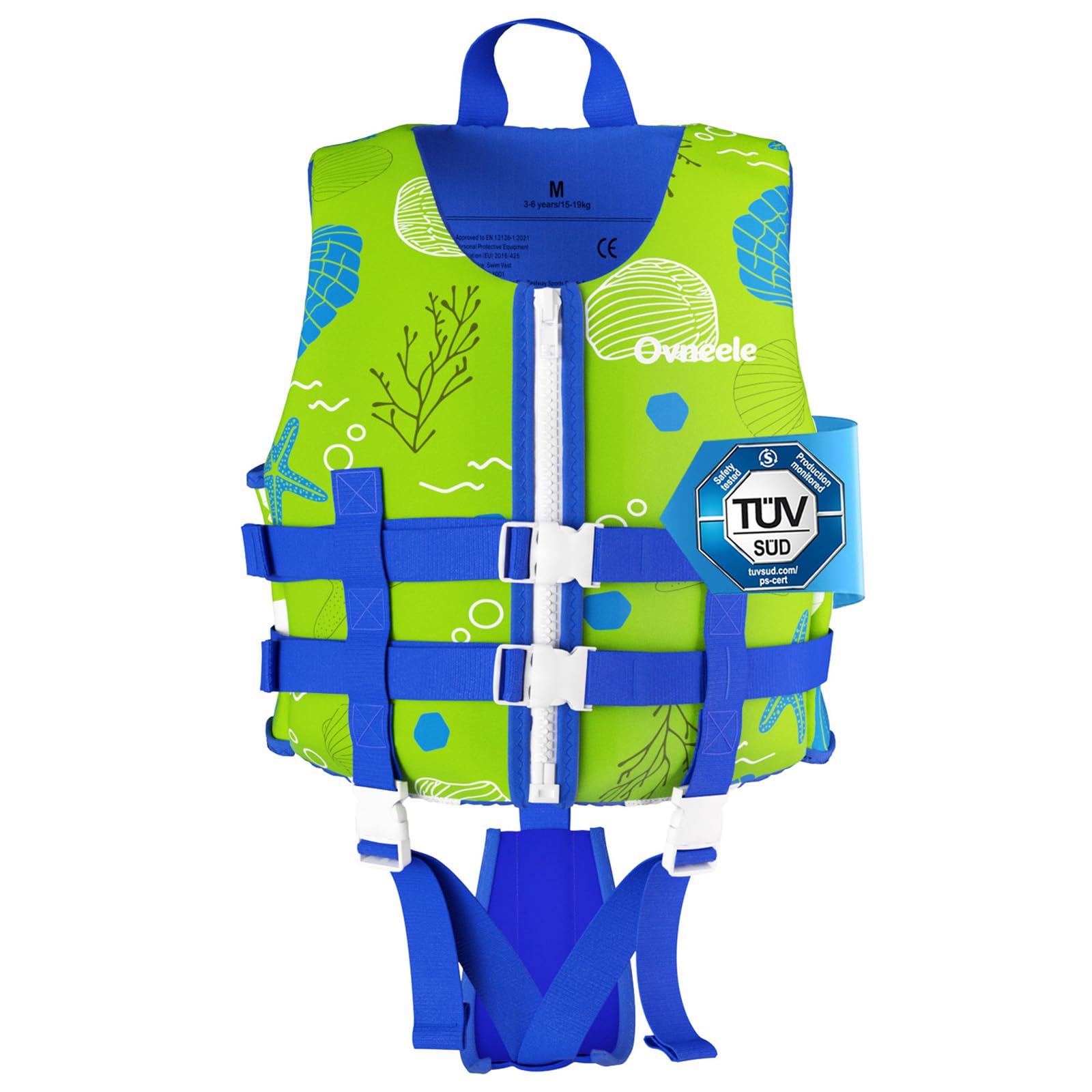
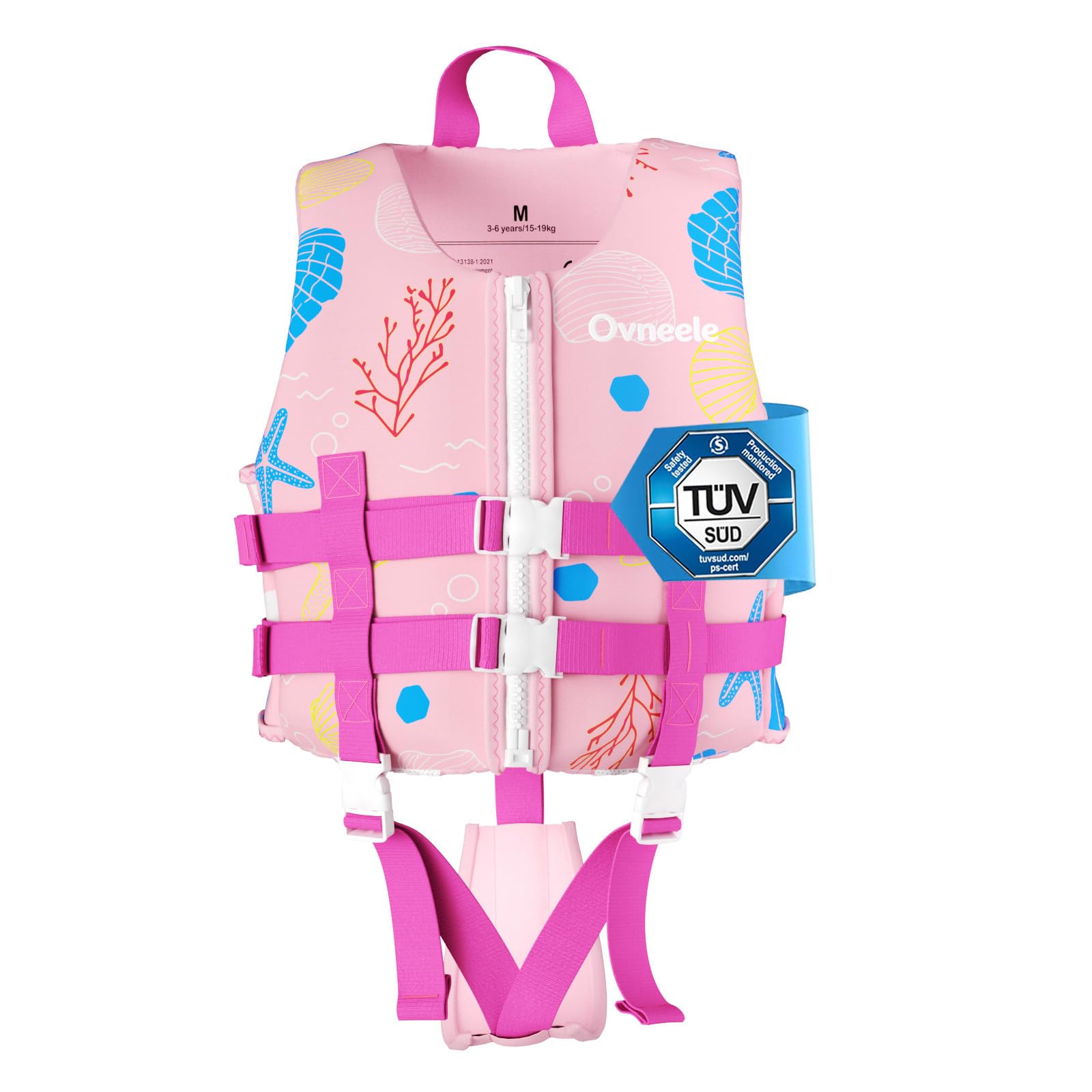
- Types. Armbands, swim vests and float suits with removable floats, and swim seats for babies are all common. Float suits and vests let children move their arms more freely, and floats can often be removed one by one as confidence grows.
- Age and weight. Each product is designed for a particular weight or age range. Check it suits your child and fits snugly without slipping off.
- Swim aids are not lifejackets. They're designed to help a child learn, not to keep them safe. For boat trips and water sports, use a properly fitted lifejacket or buoyancy aid of the right size.
- Inflatables in the sea. Lilos, rings and inflatable toys can be blown out to sea quickly, especially in an offshore wind. The RNLI advises against using inflatables in the sea, particularly in strong or offshore winds; keep them for the pool.
Swim vest / float suit on Amazon
A swim aid is never a substitute for constant supervision near water.

Other beach essentials
- Plenty of water and snacks; children dehydrate quickly in the heat.
- Water shoes for rocky beaches, hot sand and rock pools.
- A beach bag that sand shakes out of easily, plus a waterproof pouch for phones and keys.
- Buckets, spades and a few simple beach toys.
- A plan for if you're separated: agree a meeting point and consider writing a phone number on a wristband for young children.
Common mistakes to avoid
- Relying on one form of sun protection. Combine shade, clothing, hats and sun cream.
- Treating swim aids as safety devices. Supervision is what keeps children safe.
- Not checking the beach. Choose lifeguarded beaches where you can, swim between the red and yellow flags, and check local tide times and warnings.
- Forgetting to anchor the shelter. A shelter that blows away can hurt someone.
A safer, easier beach day
With shade, sun-protective swimwear, sun cream and suitable swim aids, plus close supervision, beach days become far more relaxing. For more practical advice, see our guide to surviving a beach holiday with kids, and don't forget a travel cot if you have a baby who still naps.