Travel Cots: A Buying Guide for Family Holidays
A good travel cot gives your baby a familiar, safe place to sleep wherever you stay, whether that's a hotel room, a holiday villa or a night at the grandparents'. Hotel cots vary widely in quality and availability, so many families prefer to bring their own. Here's what matters when you choose one, and the mistakes worth avoiding.
Start with safety
Safety comes before features. When comparing travel cots, check for these basics:
- The right standard. Travel cots sold in the UK should meet the British and European standard for folding cots, BS EN 716. It's usually stated on the label, in the instructions or in the product listing. If you can't find it, choose another cot.
- Secure locking. The top rails should lock firmly into place, and the cot shouldn't be able to fold while a child is inside. Practise setting it up at home and check every rail clicks home.
- Breathable mesh sides. Mesh panels let air flow and let you see your baby without lifting them. Check the mesh is taut and has no holes or loose threads.
- No gaps. There should be no gap between the mattress and the sides that a baby's head, arm or leg could slip into.
The mattress question
Most travel cots come with a thin, firm mattress or padded base board, and many parents worry it looks uncomfortable. Resist the urge to add a folded duvet, a pillow or a second mattress on top. Safe sleep guidance is clear that babies should sleep on their back on a firm, flat, waterproof surface with no soft bedding around them. Extra padding can create a gap at the edges or a soft surface that isn't safe.
If you want something more comfortable, look for a mattress designed specifically for your model of travel cot, made to fit its exact dimensions with no gaps. A fitted sheet made for travel cots helps too. For up-to-date safe sleep advice, see The Lullaby Trust and the NHS website.
Travel cot on Amazon
Check the folded size and weight, and whether a mattress is included.


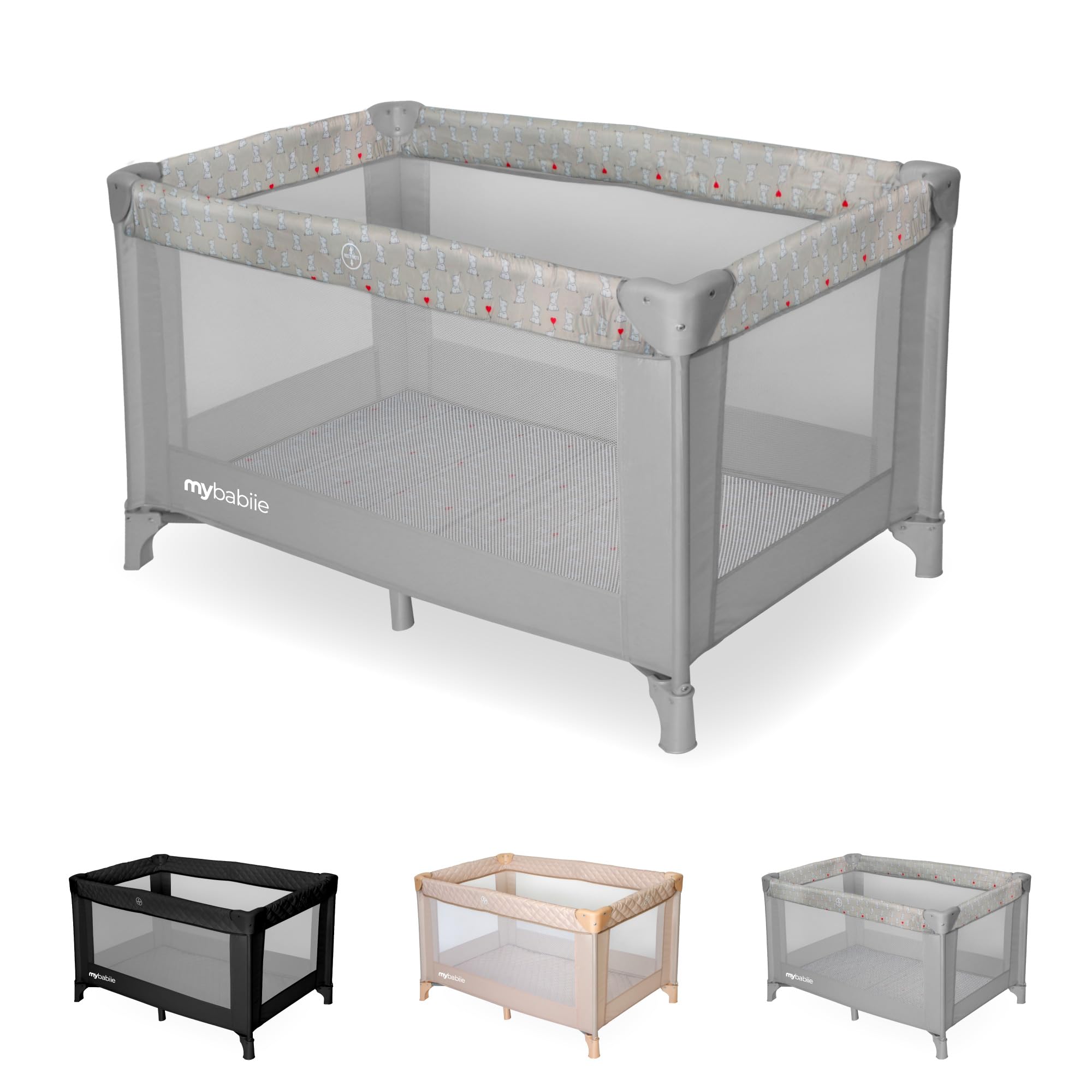
Weight, fold and packed size
How you travel should shape your choice:
- Flying. A lightweight cot that folds into a compact bag is far easier to manage. Some airlines carry a travel cot free alongside a buggy and car seat, others count it towards your checked baggage, so check your airline's baby equipment policy before you book.
- Driving. If the cot goes in the boot, weight matters less. A heavier, sturdier cot with a bassinet insert, changing top or wheels can be worth the extra bulk.
- Frequent short stays. If you'll set it up often, prioritise a fast, simple fold. Some cots open in seconds in one movement; others need the base pushed up in the middle and the rails locked one by one.
Look at the folded dimensions and weight in the product details and compare them with the space in your boot or your airline's limits. A carry bag with a shoulder strap is a small detail that makes airport transfers much easier.
Age and size suitability
Every travel cot has a manufacturer's upper limit, usually given as a weight, a height or a stage of development (for example, when your child can climb out). Check these limits before you buy, especially if you hope to use the cot for a few years.
- Newborns. A bassinet insert raises the sleeping surface so you don't have to lean right into the cot. Use it only up to the age or weight stated by the manufacturer, and always use the mattress that comes with it.
- Toddlers. A taller cot with high sides keeps active toddlers in for longer. Once your child can climb out, it's time to stop using it.
- Pop-up travel beds. Tent-style beds suit older babies and toddlers in some situations, but read the age guidance carefully, as many aren't designed for young babies.
Recreating a good sleep space
A familiar cot is only part of the picture. Holiday rooms are often brighter, noisier and warmer than a nursery, and that can unsettle even a good sleeper.
- Bring the sleeping bag and comforter your baby uses at home, so the smell and feel are familiar.
- Check the room temperature and dress your baby accordingly; hot climates and air-conditioned rooms both need thought.
- Keep the cot well away from windows, blind cords, heaters and anything your baby could reach through the mesh.
- Thin curtains and early sunrises are a common cause of 5am wake-ups. A portable blackout blind is light and quick to put up.
Portable blackout blind on Amazon
Suction-cup blinds help babies nap in bright holiday rooms.


Common mistakes to avoid
- Not practising at home. Struggling with a fold in a dark hotel room at bedtime is no fun. Do a couple of dry runs before you leave.
- Adding extra mattresses or bedding. Stick to the supplied mattress or one made for your exact model.
- Buying second-hand without checking. If you buy a used cot, make sure all parts and the instructions are present, the locks work and the mesh is undamaged. Check it hasn't been recalled.
- Ignoring the limits. A cot that's too small or a child who can climb out is a safety risk, however convenient the cot is.
- Relying on the hotel. If you plan to use a hotel cot, check it's guaranteed, ask for a clean, firm mattress and inspect it on arrival. Our hotel checklist for travelling with a baby covers what to ask.
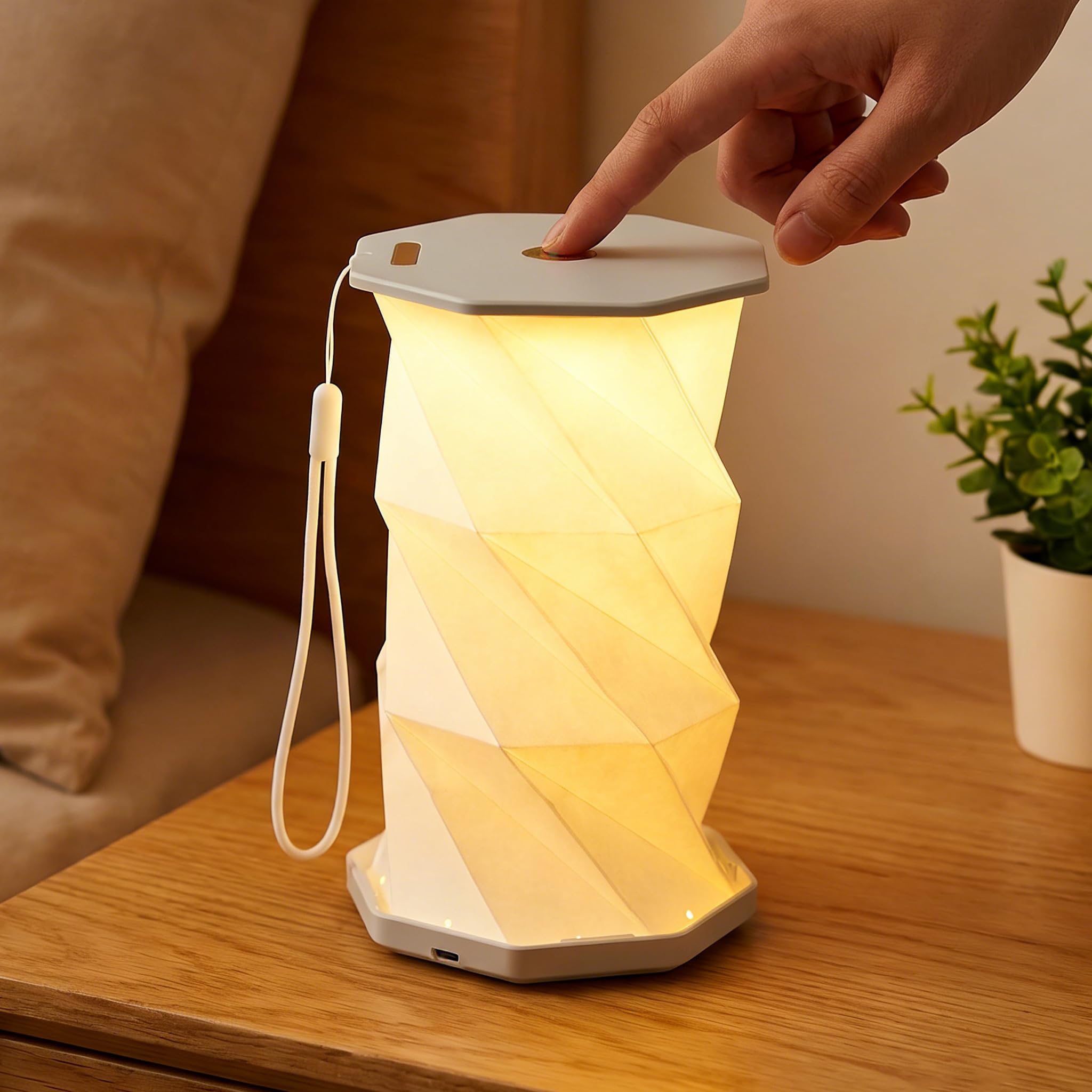
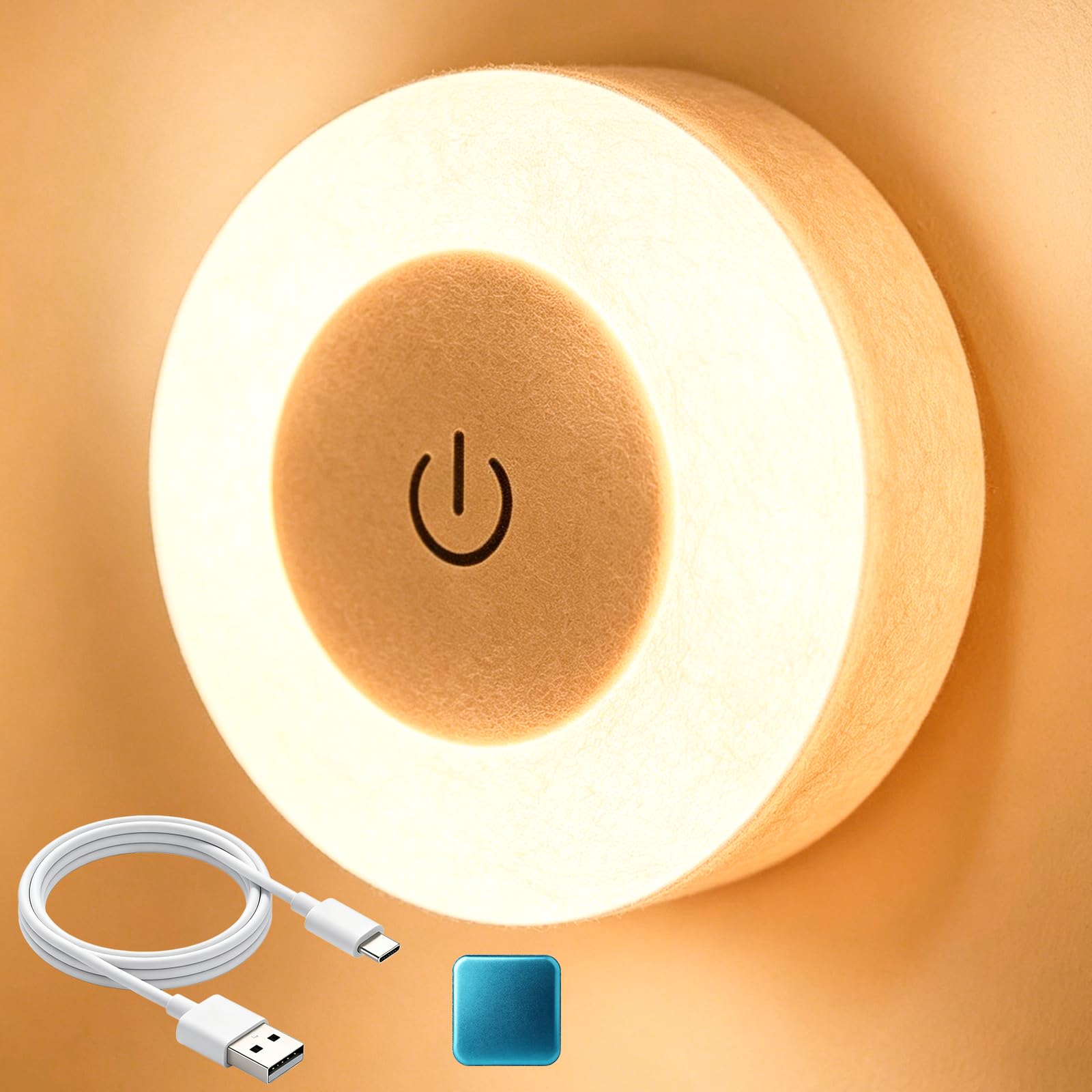
Portable night light on Amazon
A familiar night light helps children settle in a new room.

Choosing well
The best travel cot for your family is one that meets BS EN 716, fits the way you travel and suits your child's age and size. Practise the fold, keep the sleep space simple and bring a few familiar comforts from home. For more ideas on making your holiday room baby-friendly, see our guide to baby-proofing your holiday accommodation.