Kids' Suitcases: What to Look For Before You Buy
Giving children their own suitcase can make them feel part of the trip and take a little weight off the adults. The wrong case, though, ends up being carried by a parent within ten minutes of leaving the car park. Here's what to look for, how to match the case to your child's age, and how to keep everyone's luggage under control.
Match the case to your child's age
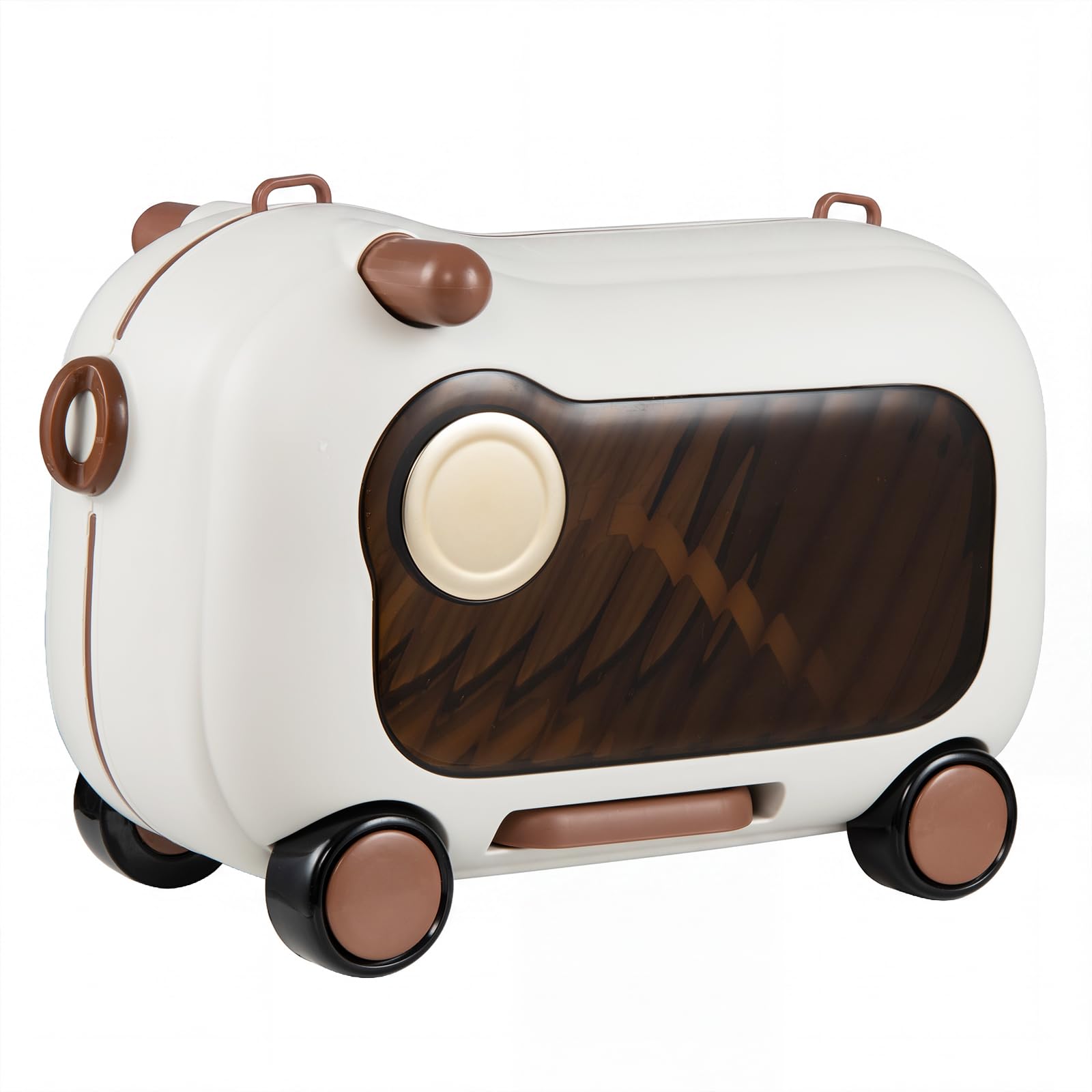
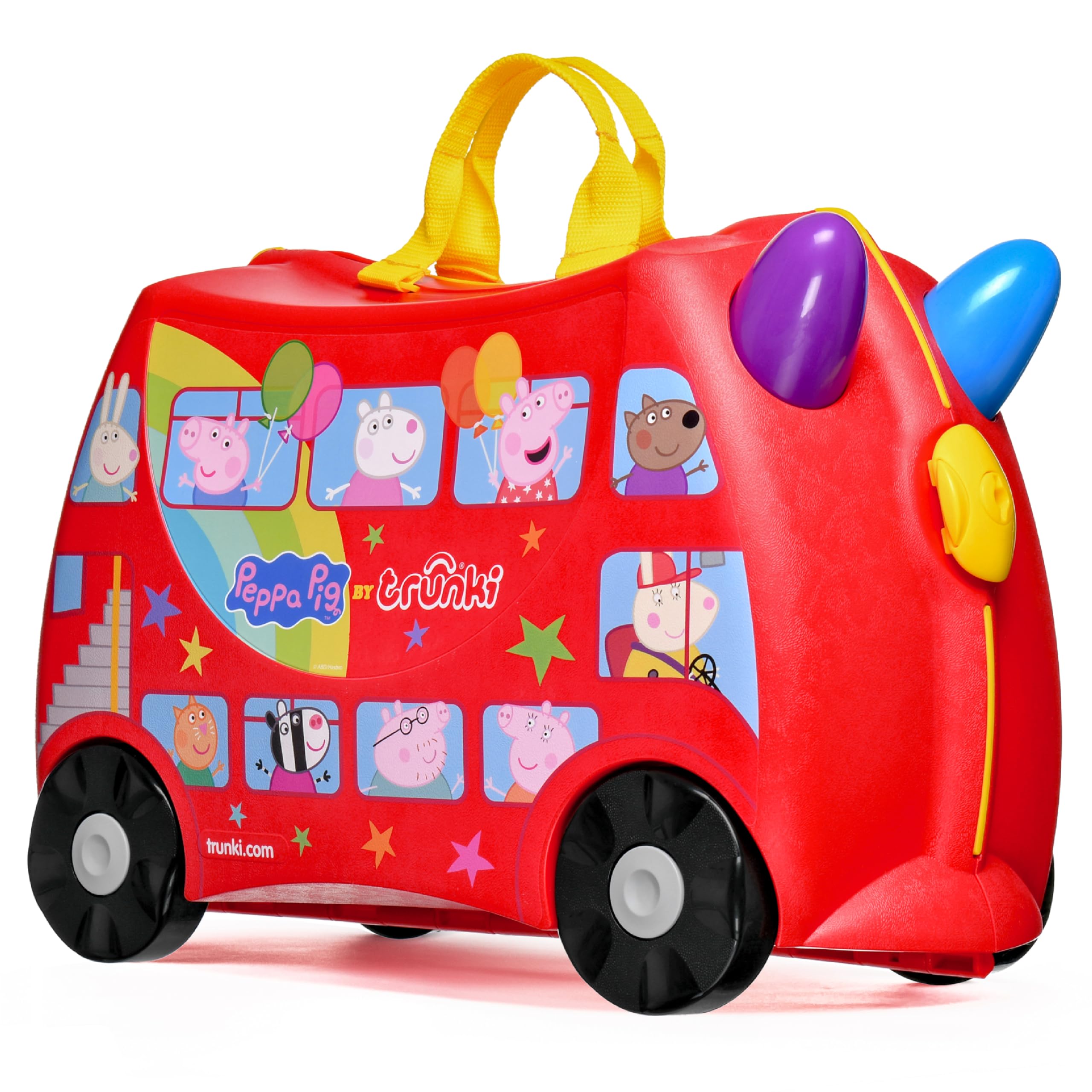
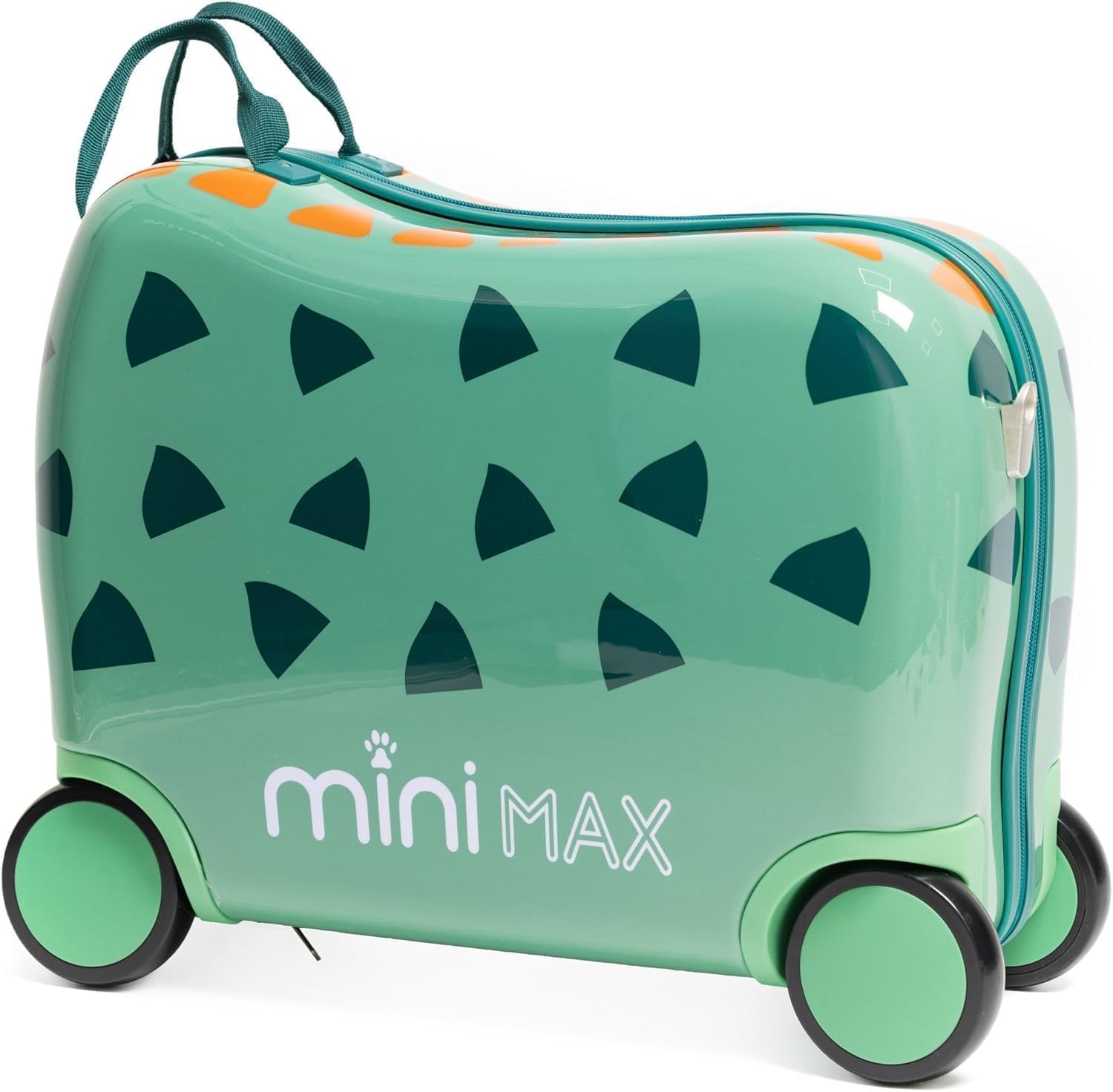
- Toddlers and preschoolers. At this age the case is mostly for fun and a few favourite things. Small, light cases with a character or animal design are popular. Ride-on cases, which children can sit on while an adult pulls them, can help tired legs in long airport corridors.
- Primary-age children. Children can usually pull a small wheeled case themselves. Look for a telescopic handle that extends to a comfortable height and a case they can lift into a car boot or overhead locker with a little help.
- Older children and tweens. Many prefer a plain, grown-up design. A proper cabin-size case or a good backpack gives them something they'll use for years.
Features that matter
- Weight. The empty weight of the case eats into any baggage allowance and into your child's patience. Lighter is almost always better.
- Wheels. Two wheels roll well over rough pavements and kerbs; four spinner wheels glide on smooth floors and are easy for small children to push alongside them. Larger, recessed wheels tend to last longer.
- Handle height. A handle that's too short makes a child stoop; one that won't retract fully can snap off in the hold. Check the extended height.
- Durability. Hard shells protect contents and wipe clean; soft cases are lighter and squash into tight spaces. Check zips and seams on any case that will be checked into the hold.
- Easy to identify. A bright colour or distinctive pattern helps at baggage reclaim and stops mix-ups with other families.
Children's ride-on suitcase on Amazon
Ride-on cases double as transport at the airport; check the cabin size limits.
Cabin bags and airline limits
If your child's case will go in the cabin, its dimensions matter more than anything else. Airlines set their own size and weight limits for cabin bags, and many distinguish between a small under-seat item and a larger overhead-locker bag. Some fares include only the small item. Limits change, so check your airline's current allowance for each person, including children and infants, before you buy or pack.
Points to watch:
- Measure the case including wheels and handles, as airlines do.
- Ride-on and novelty-shaped cases may not fit an airline's sizing frame, even if they look small.
- A backpack is often the easiest cabin bag for a child: hands stay free for holding yours, and it fits under the seat.
- Infants under two usually don't get the same cabin allowance as paying children. Check what's included for them.
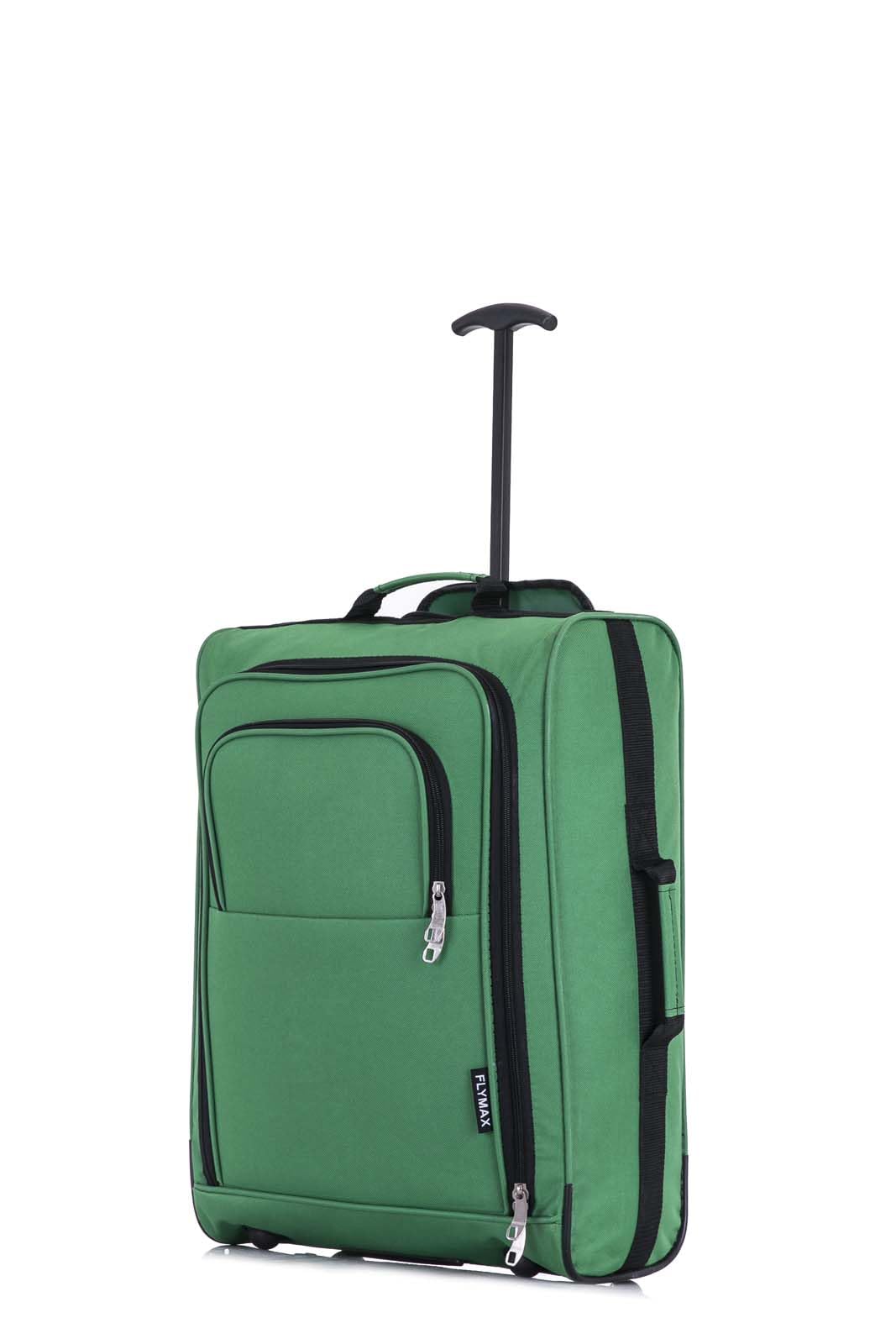
Family cabin bag on Amazon
Measure against your airline: 55 x 40 x 20 cm suits most UK carriers.

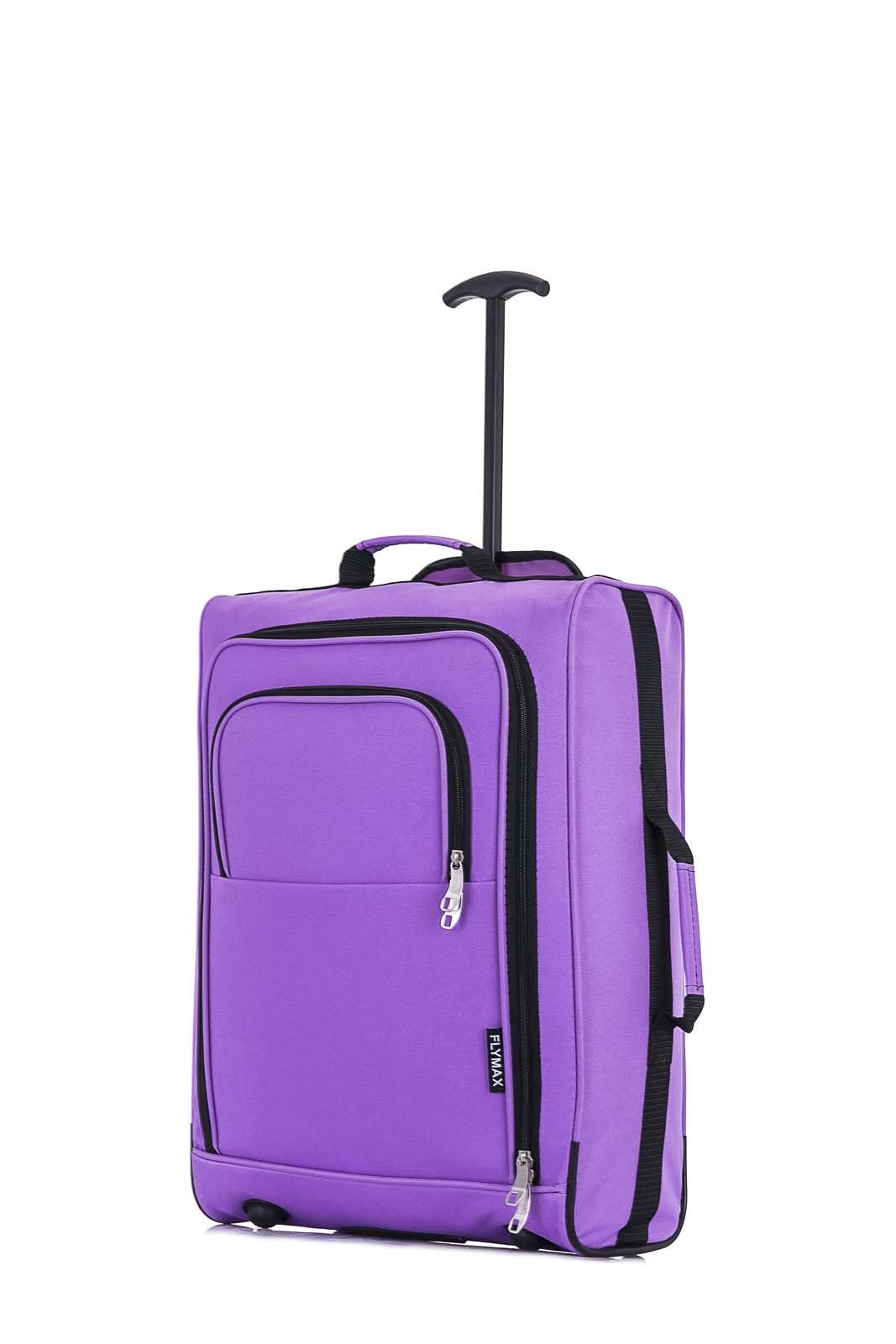
What should go in a child's bag
A child's own case or backpack works best for things they'll want to find themselves: a comforter, a few books, colouring things, a small toy, headphones and a light layer. Keep essentials such as medicines, spare clothes for the journey and travel documents with an adult. For the journey itself, see our hand luggage essentials checklist.
Packing cubes: the family packing secret
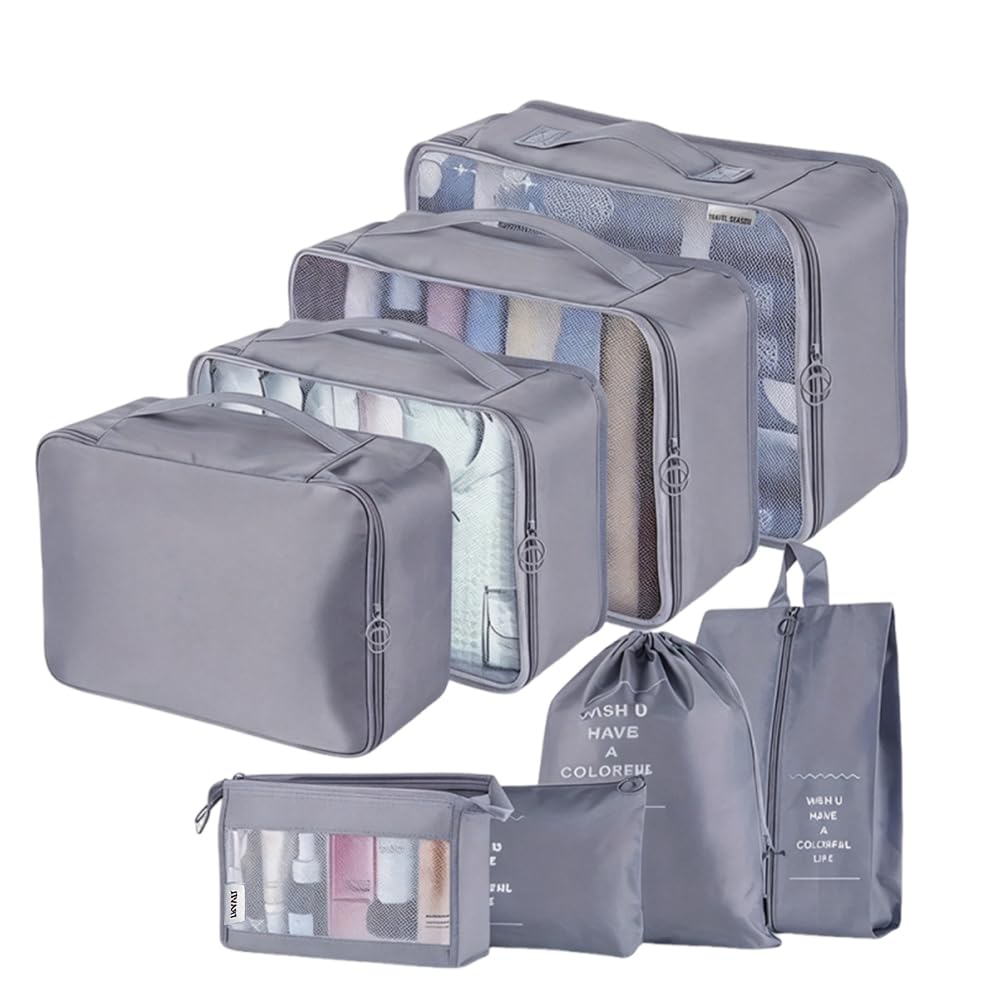
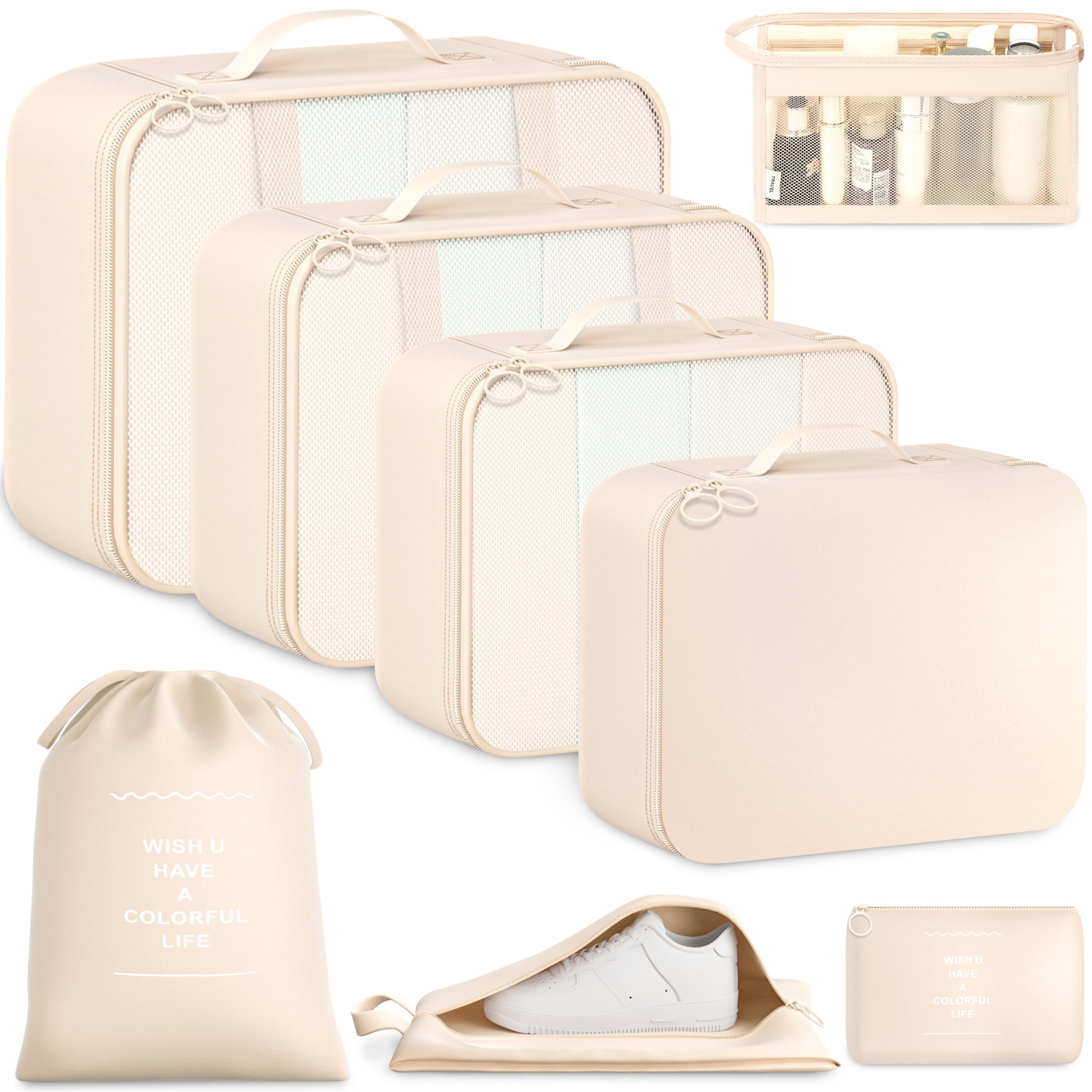
Packing cubes are zipped fabric pouches that divide a suitcase into sections. For families they're useful because:
- each child can have their own colour, so outfits are easy to find without unpacking everything;
- you can pack one cube per day or per outfit for younger children;
- a separate cube keeps swimwear, or dirty and wet clothes, away from clean ones;
- compression cubes squeeze bulky items such as jumpers into less space.
If you're sharing a large case between several family members, cubes stop it becoming a jumble by day two.
Packing cubes on Amazon
One colour per child makes unpacking and repacking much quicker.

Common mistakes to avoid
- Buying a case that's too big. A child will fill it, then can't pull it. Small is fine.
- Overpacking a child's case. Keep it light enough that they can manage it alone for at least part of the journey.
- Ignoring the empty weight. A heavy case leaves little allowance for anything else.
- Assuming a "cabin" label means it fits. Check against your airline's current measurements.
- Novelty over quality. Cheap wheels and handles often fail at the worst moment, usually halfway through a terminal.
Pack smart, travel lighter
The best kids' suitcase is light, sturdy, the right size for your child and within your airline's limits. Add packing cubes to keep the family organised, and let children carry their own small treasures. For more ways to make the journey easier, read our guide to entertaining children at the airport.