Travel Buggies: How to Choose One for Flying and Holidays
Your everyday pushchair may be perfect at home, but on holiday it can be heavy, bulky and awkward on planes, buses and narrow old streets. A dedicated travel buggy folds small, weighs less and copes with airports far better. Here's how to choose one that works for your family and your trips.
What makes a buggy a "travel" buggy
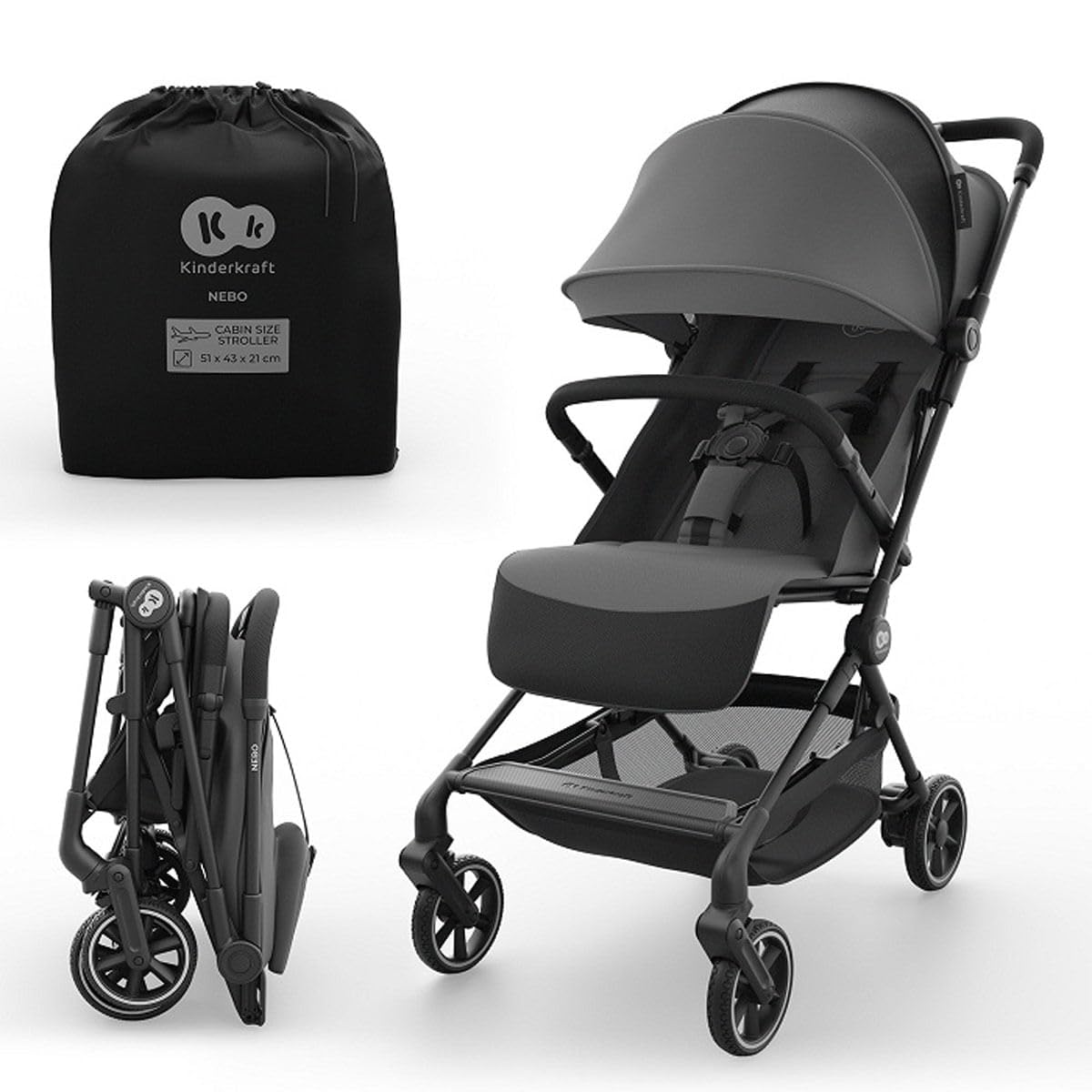
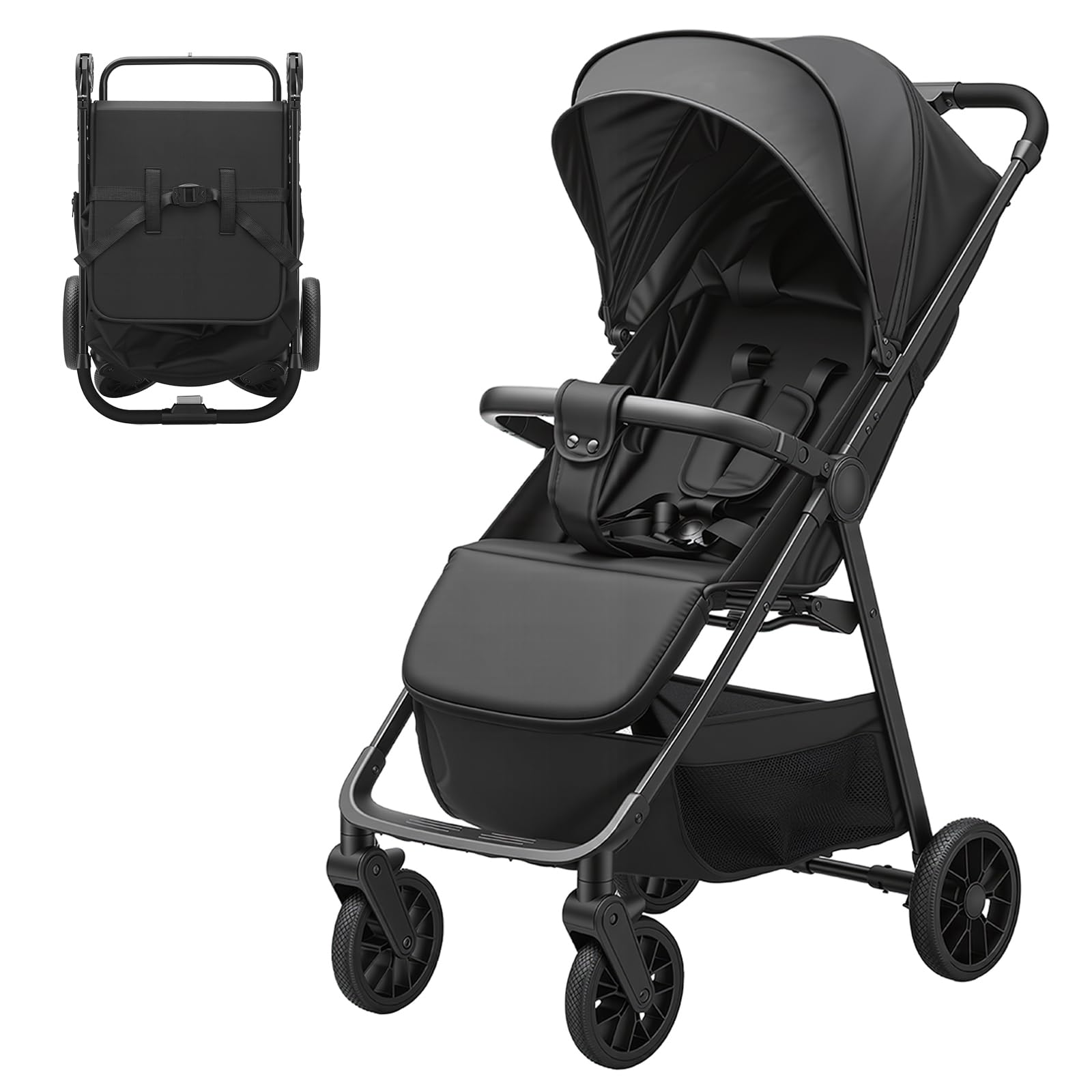
Travel buggies trade some of the comfort and storage of a full-size pushchair for portability. The best ones balance three things:
- Folded size. The smaller the fold, the easier it is to store in a hire car boot, a holiday apartment or an overhead locker.
- Weight. You'll lift it onto buses, up steps and in and out of the car many times a day. Every kilogram counts, especially if you're also carrying bags.
- Ease of fold. A one-hand fold is a real help when you're holding a child at the same time. Try the fold yourself if you can, as some "one-hand" folds are fiddlier than they sound.
Cabin-size buggies and airline gate-check
Some very compact buggies fold small enough that certain airlines allow them on board as cabin baggage, stowed in the overhead locker. Others are taken from you at the aircraft door (gate-checked) and returned when you land, either at the aircraft door or at the baggage hall.
Rules vary a great deal between airlines, aircraft and even routes, so always check your airline's current policy on pushchairs before you fly. Things to look for in that policy include:
- whether a buggy goes free in addition to your baggage allowance;
- whether it can be taken to the gate or must be checked in at the desk;
- the maximum folded dimensions and weight for cabin carriage, if allowed;
- where you'll collect it on arrival.
Don't assume that a buggy marketed as "cabin approved" will be accepted by every airline. The airline's own rules on the day decide. A padded travel bag helps protect the frame and fabric if the buggy goes in the hold. For more advice on the journey itself, see our tips for flying with young children.
Compact travel buggy on Amazon
A one-hand fold and a cabin-friendly folded size make airports far easier.

Safety and comfort features
- Safety standard. Pushchairs sold in the UK should meet the relevant British and European standard for wheeled child conveyances (BS EN 1888). Look for it in the product details.
- Five-point harness. Shoulder, waist and crotch straps keep a child secure, particularly on uneven ground.
- Brakes. A foot-operated brake that's easy to engage and release, ideally linked across both rear wheels.
- Recline. A deep recline lets a child nap comfortably on the go, which can rescue a long day out. Newborns need a lie-flat position or a compatible carrycot or newborn insert; check the buggy says it's suitable from birth if you need it to be.
- Sun canopy. A large canopy, ideally with a UPF-rated fabric or an extendable visor, is essential for sunny destinations. Never cover a buggy with a blanket or muslin in the heat, as it can trap hot air.
- Wheels and suspension. Small wheels are fine on smooth airport floors but struggle on cobbles, gravel and sand. If you're heading somewhere rugged, look for larger wheels or some suspension.
Age and weight suitability
Every buggy has a minimum age and a maximum weight. Check both. Some travel buggies are only suitable from around six months, when a baby can sit up with support; others work from birth with an insert. At the other end, a higher weight limit means you can keep using the buggy into the preschool years, which is handy on holidays with lots of walking.
When a baby carrier works better
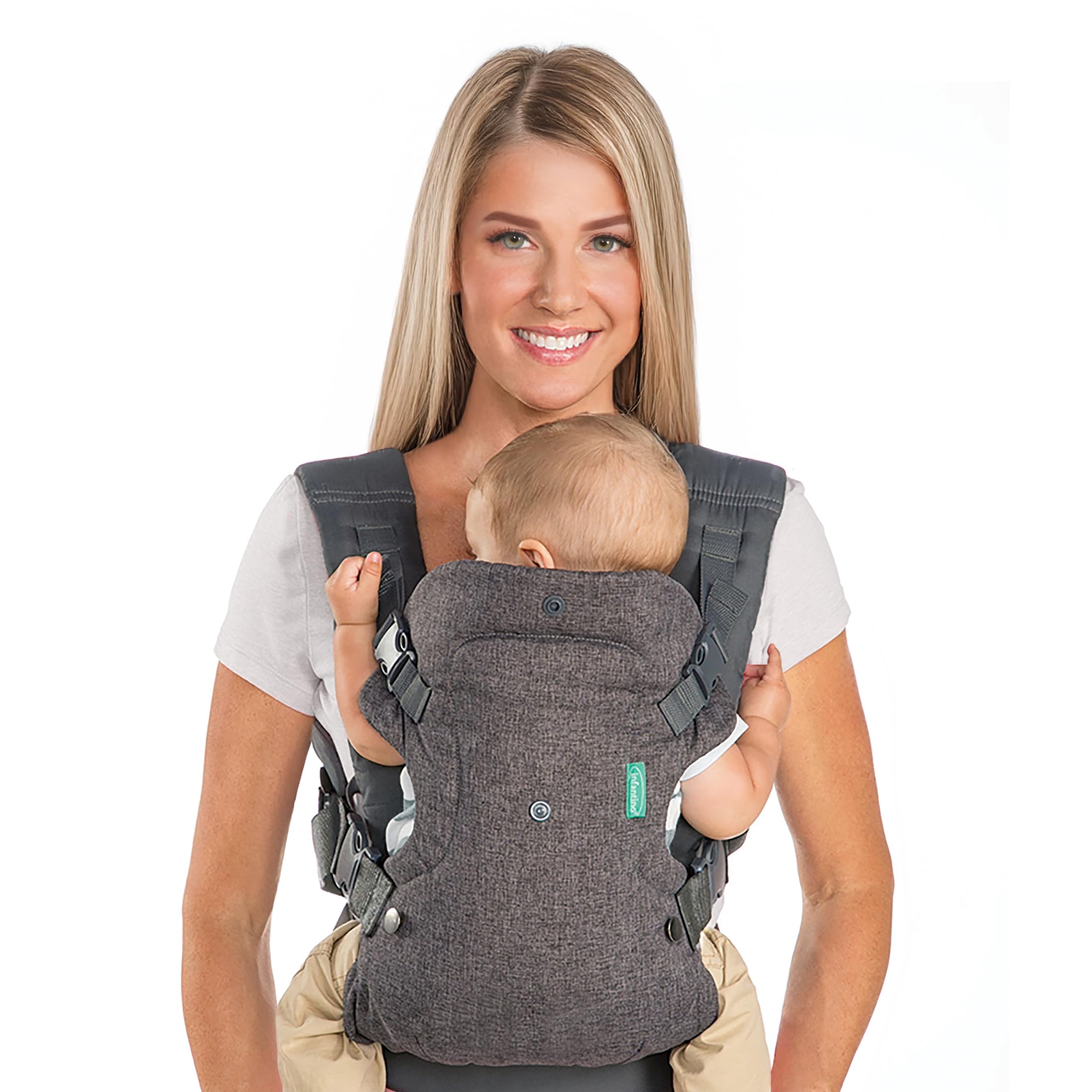
For young babies, a carrier or sling can be easier than a buggy at the airport, on boats, on cobbled streets and on walks. Many families take both: a carrier for the journey and busy places, a buggy for long days and naps.
When choosing a carrier, look for good back and waist support for the adult, a seat that supports the baby's hips in a natural position, and a design that keeps the baby's face visible and airways clear. Follow the T.I.C.K.S. guidance on safe babywearing (tight, in view at all times, close enough to kiss, keep chin off the chest, supported back).
Baby carrier on Amazon
Hands-free carrying helps on cobbles, steps, boats and airport queues.


Common mistakes to avoid
- Choosing on fold size alone. The smallest buggies can be uncomfortable for older children and tiring to push on long days.
- Forgetting storage. A tiny basket means you'll carry more yourself. Check what fits underneath.
- Not checking the airline rules. Read the policy for each airline you fly with, outbound and return, as they can differ.
- Leaving accessories behind. A rain cover, a parasol or sun shade, and a travel bag can make a big difference abroad.
- Hanging heavy bags on the handles. It can tip a light buggy backwards, especially when the child gets out.
The right buggy for your trips
Think about where you'll go and how you'll get there. For flying and city breaks, a light, compact buggy with a quick fold and a good recline is hard to beat; for rougher terrain, bigger wheels matter more than a tiny fold. Pair it with a carrier if you have a young baby, check your airline's rules before every trip, and see our guide to travel car seats if you'll be driving at your destination.